
By Henry Walshe
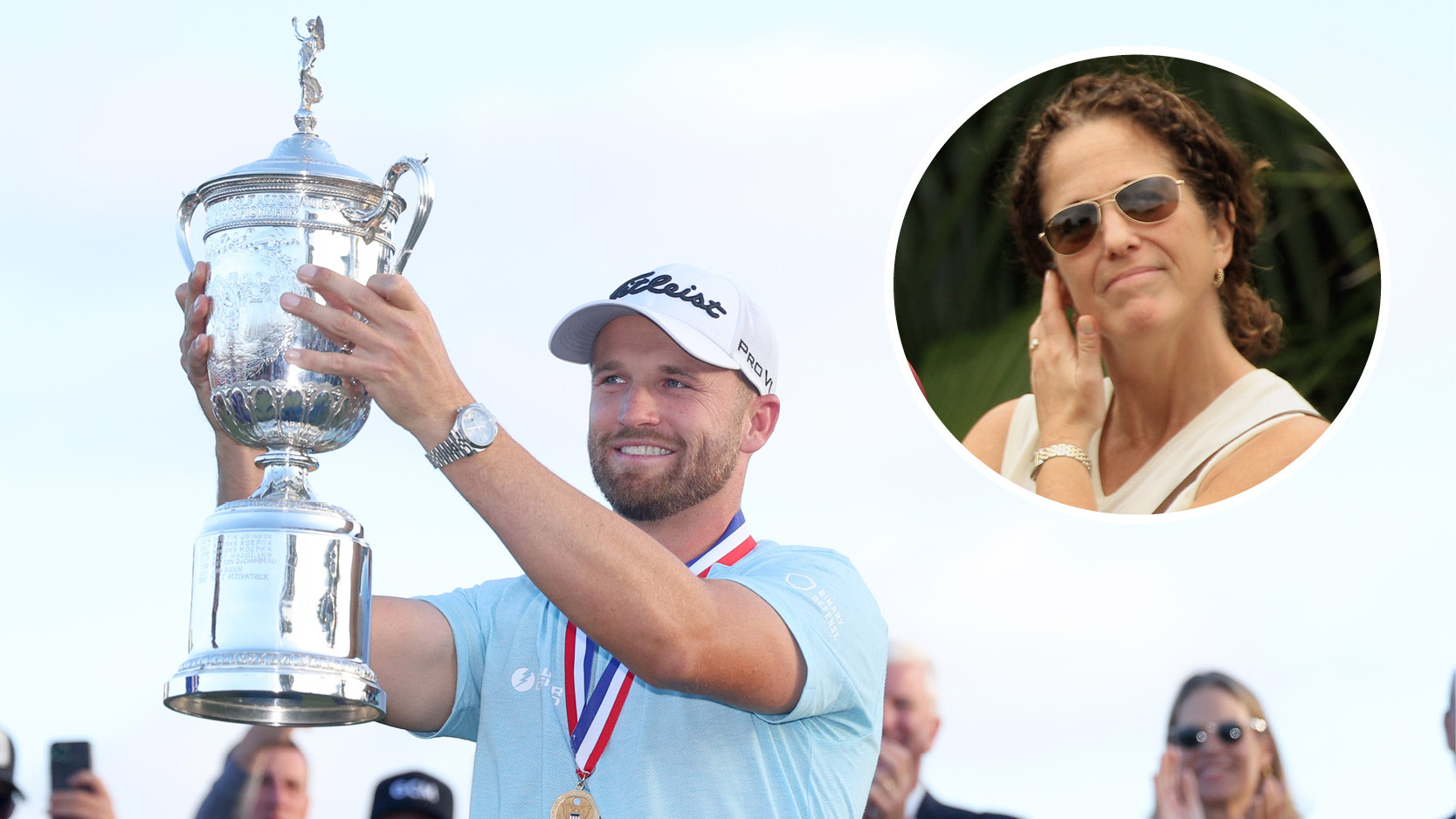
In the recent Netflix series “Full Swing” multiple episodes mentioned the importance of Sport Psychologists in a golfer’s support team – especially Wyndham Clark (US Open 2023 Champion). Let’s have a look into the strategies a Sport Psychologist may implement into a golfers game.
Techniques in Golf Sport Psychology
Sport psychologists employ a variety of techniques to help golfers optimize their mental game. Some of the most effective strategies include:
1. Visualisation
Visualisation, or mental imagery, involves picturing performance in the mind. Golfers use this technique to mentally rehearse their swings, putts, and overall game plan. By visualising their performance, golfers take emotions out of the situation as they feel they have already prepared and been in this moment mentally.
Example: Before a crucial putt, a golfer might close their eyes and visualise the ball rolling smoothly into the hole. A good advert for this is Jason Day, visualises every shot before he steps up to the ball.
2. Self-Talk
Positive self-talk helps golfers maintain a constructive mindset. This involves replacing negative thoughts with affirmations and confidence-boosting statements.
Example: Instead of thinking, “I can’t miss this shot,” a golfer might repeat, “I am calm, focused, and capable.”
3. Routine Development
Establishing pre-shot and post-shot routines helps golfers create consistency and focus. Routines can include specific actions, breathing exercises, and mental checks that prepare the golfer for each shot.
Example: A pre-shot routine might involve a deep breath, a practice swing, and a visualization of the shot.
4. Mindfulness and Relaxation Techniques
Mindfulness practices and relaxation techniques, such as deep breathing and progressive muscle relaxation, help golfers stay calm and present. These methods reduce stress, anxiety, negative thoughts, allowing for better concentration and performance.
Example: A golfer might practice deep breathing exercises walking between shots or between tee boxes to keep themselves calm and present during the round.
Benefits of Sport Psychology for Golfers
Integrating sport psychology into training and competition offers numerous benefits for golfers of all levels. These include:
- Improved Performance: Enhanced mental skills lead to better decision-making, consistency, and execution on the course.
- Increased Confidence: Building mental toughness helps golfers trust their abilities, therefore they will take on positive shots and perform under pressure.
- Better Emotional Regulation: Effective management of emotions reduces frustration.
- Enhanced Focus: Improved concentration leads to fewer mistakes and greater success in high-stakes situations.
- Greater Enjoyment: A positive mental approach can make the game more enjoyable, reducing stress and burnout.
Conclusion
Sport psychology is a vital component of golf, offering tools and techniques that help players enhance their mental game. By focusing on areas such as concentration, confidence, and emotional control, golfers can achieve peak performance and enjoy the game more fully. Whether you are an amateur looking to improve your game or a professional seeking a competitive edge, integrating sport psychology into your training regimen can lead to significant improvements both on and off the course.

