
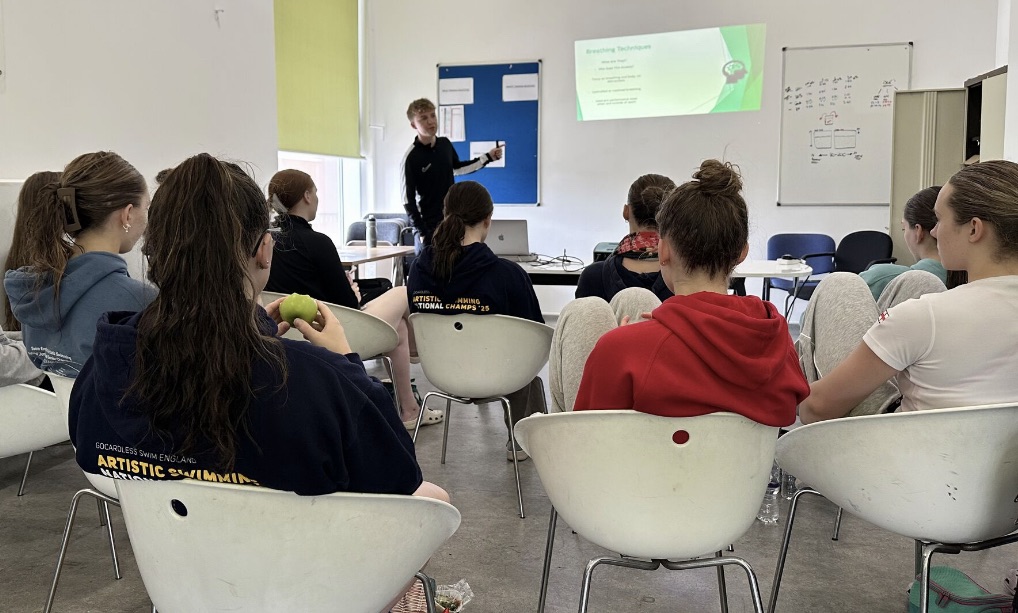
Immersing myself in the high-performance swimming environment has opened my eyes to the unique demands placed on these athletes. Through daily interaction with swimmers, coaches, and support staff, I’ve gained a deeper understanding of the mental resilience required in such an intense sporting domain.
The Demands of a Gruelling Training Schedule
One of the most striking aspects of my time with these swimmers has been witnessing the sheer volume and intensity of training. Elite swimmers often train multiple times a day, combining early morning pool sessions with land-based strength and conditioning work. This relentless routine leaves little room for rest and recovery.
What often goes unnoticed is the psychological toll this demanding schedule can take. Repetitive training, fatigue, and the pressure to consistently perform in every session can lead to burnout if not managed carefully. As a sport psychologist, my role has been to help athletes develop sustainable mental strategies—tools for staying focused, setting realistic goals, and recognising when rest is just as important as training.
Individual Sport, Individual Stressors
Swimming, as an individual sport, presents unique stressors that differ markedly from team-based disciplines. The spotlight falls solely on the swimmer during competition. There is no teammate to compensate for a missed stroke or a poor turn. This responsibility can foster both a strong sense of ownership and, conversely, an overwhelming fear of failure.
I’ve observed that many swimmers experience heightened anxiety leading into competitions, often linked to high expectations or the focus on meeting qualifying standards. Unlike team sports, where camaraderie can buffer stress, swimmers must often process these emotions in isolation. Mental preparation needs to encompass more emotional regulation and self-compassion.
The Coach-Athlete Relationship
Perhaps the most powerful dynamic I’ve observed is the relationship between coach and athlete. In swimming, this relationship is foundational. Coaches are not only technical experts; they are motivators, parental figures, and even friends. The effectiveness of this relationship can significantly impact an athlete’s mental wellbeing and long-term development. Trust, communication, and mutual respect are key ingredients. Where these are present, athletes are more likely to thrive—not just physically, but psychologically.
Final Thoughts
Elite swimming is not just a physical endeavour—it is a mixture of psychological, emotional, and interpersonal factors. Sport psychology plays a vital role in navigating this landscape, helping athletes not just to perform, but to endure, grow, and enjoy the journey. Working with these swimmers has been a privilege, and I carry forward both gratitude and a renewed commitment to the work we do in sport psychology.
 H.Walshe Sport Psychology